Obsidian + Codex AI Knowledge Base
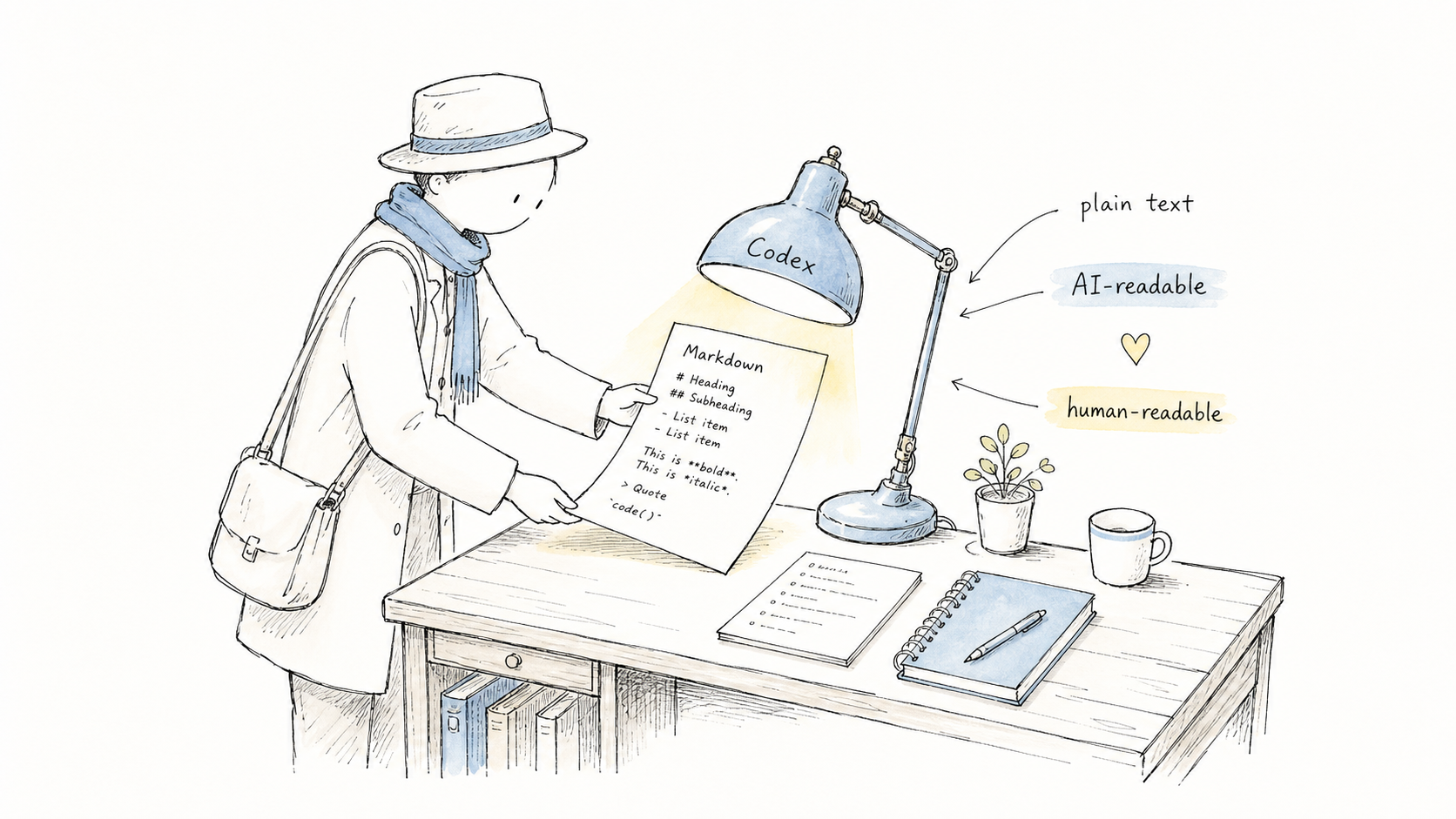
A bilingual Cornell-facing course on building a local-first AI knowledge base with Obsidian, Markdown, private GitHub sync, source screenshots, and Codex-assisted organization.
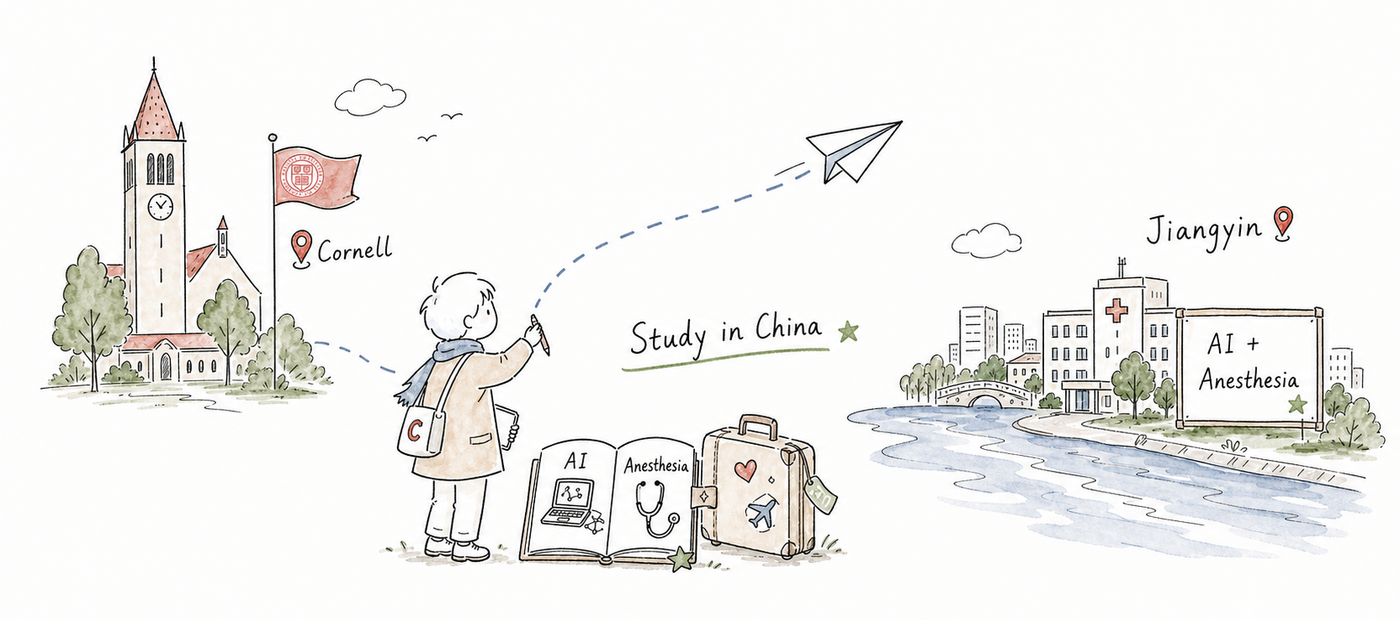
 Cornell University student learning track
Clinician-led · AI-assisted · China study experience
For curious learners interested in anesthesia, clinical observation, and practical AI.
Product film · Ink Press template
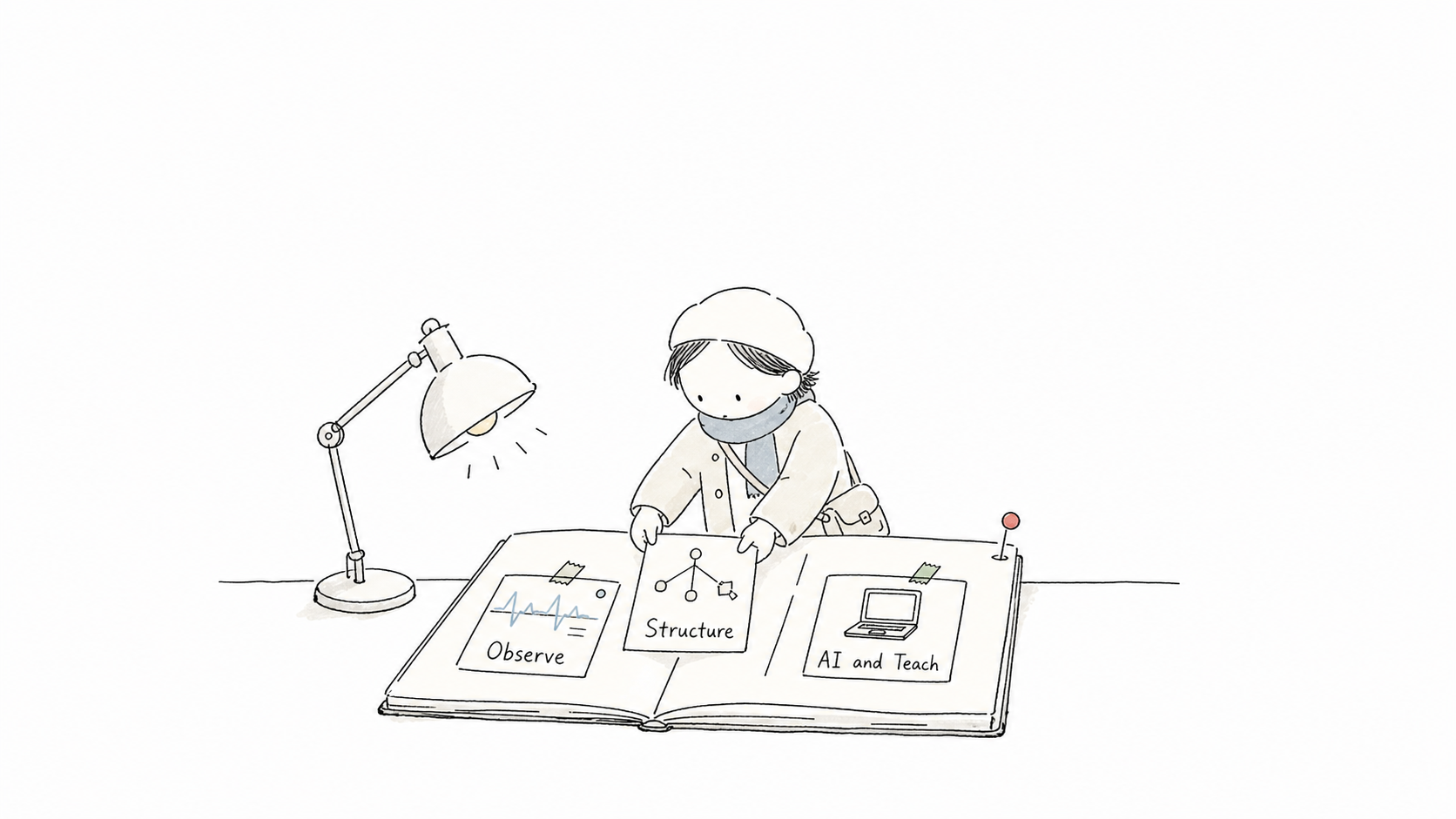
See the courseware as a living product: real course cards, a real observer checklist, and a clinician-led workflow shaped with AI assistance.
The site includes anesthesia modules and AI visual-workflow modules. Each opens directly in the browser and is written for quick orientation rather than heavy reference reading.
Beginner-facing guides for induction, monitoring, surgical context, emergence, and PACU handoff.
Eight clinical teaching sets explain gynecologic surgery, HFS / MVD neuroanesthesia, cesarean / high-risk obstetric anesthesia, hysteroscopic surgery, pediatric ENT anesthesia, bariatric sleeve gastrectomy anesthesia, orthopedic anesthesia, and anesthesia-led insomnia care.
AI workflow modules show how local-first knowledge bases, reusable Codex skills, illustration systems, and scientific visual assets become practical courseware.
A bilingual Cornell-facing course on building a local-first AI knowledge base with Obsidian, Markdown, private GitHub sync, source screenshots, and Codex-assisted organization.
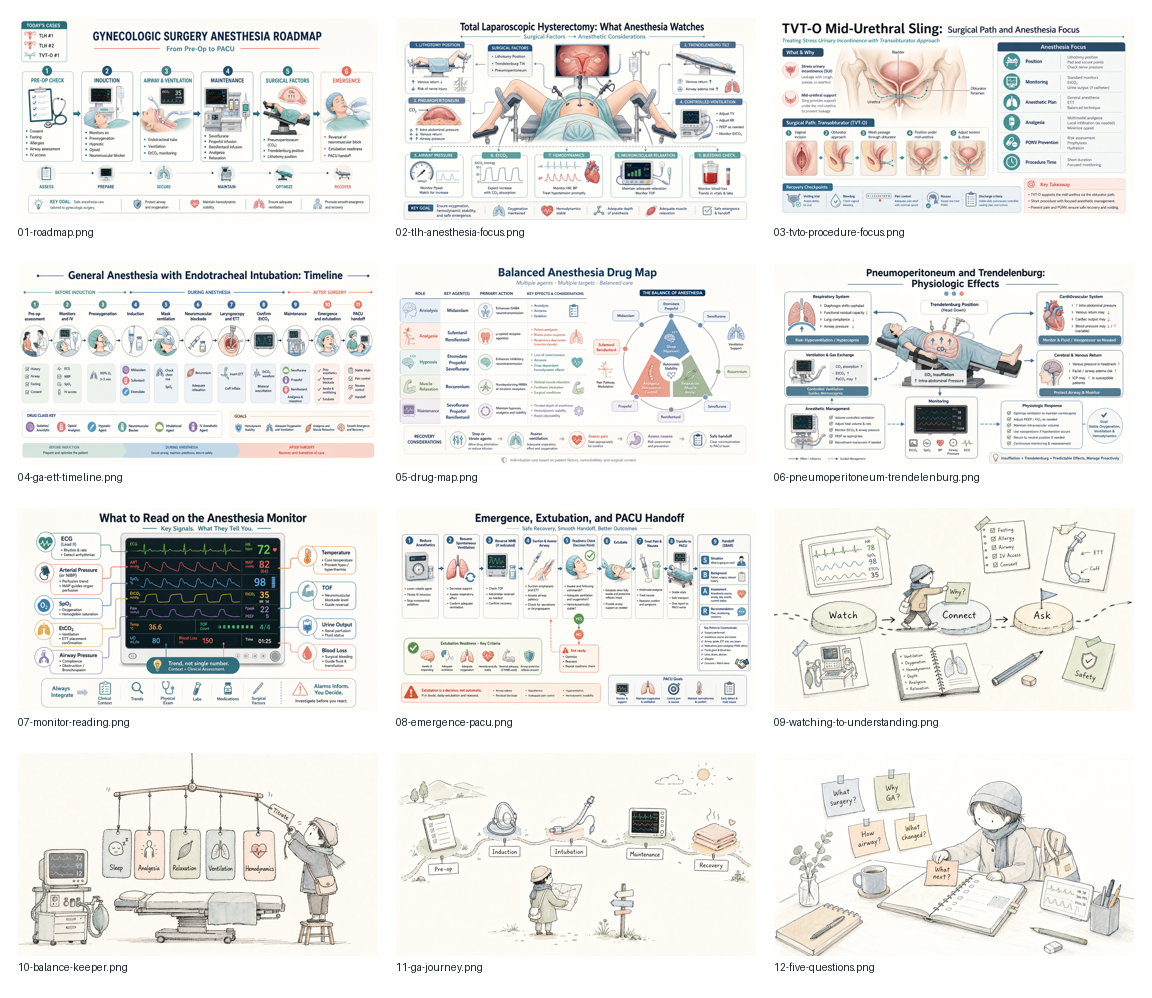
A guided observation module for total laparoscopic hysterectomy and TVT-O, focused on general anesthesia, airway management, drug roles, monitoring, emergence, and PACU handoff.
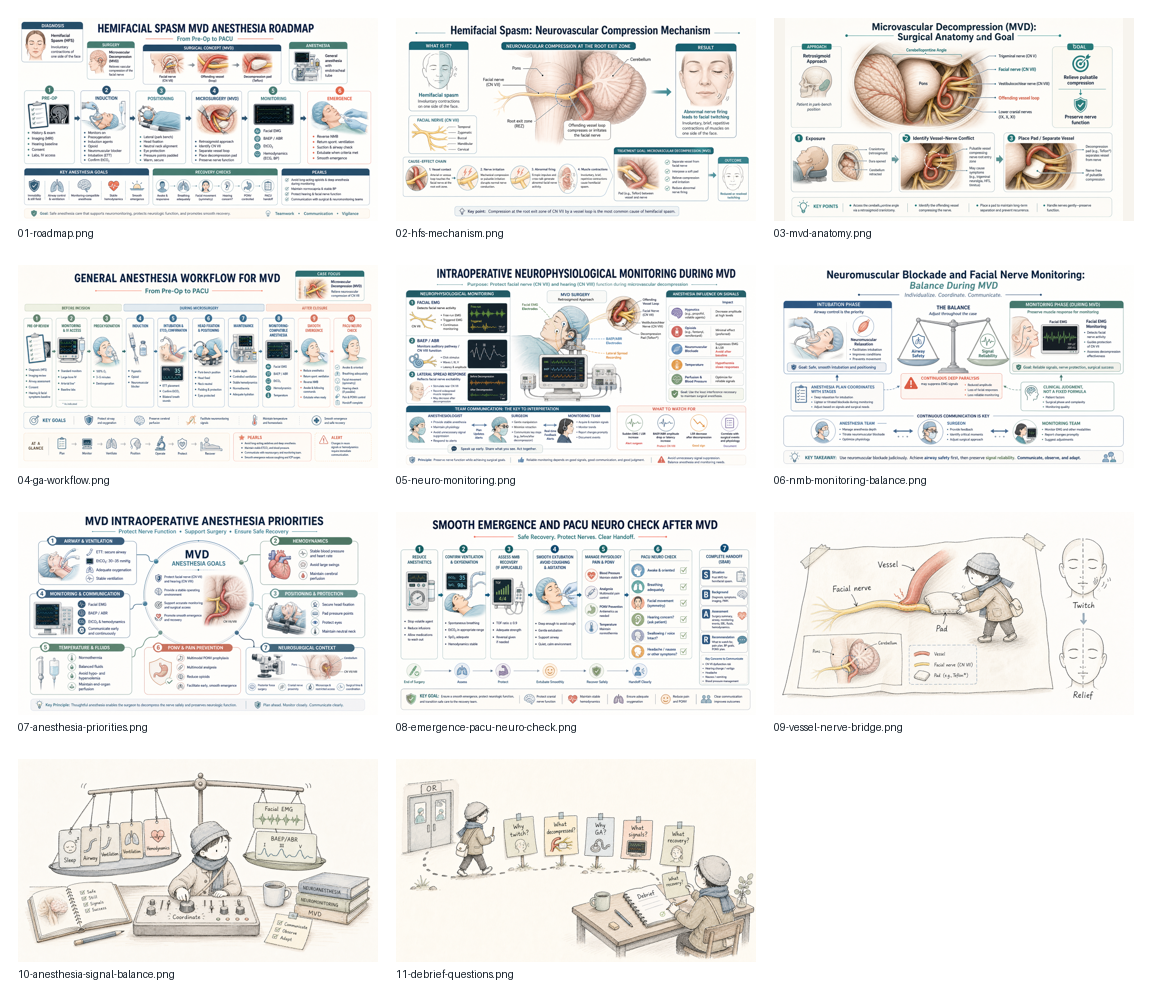
A neuroanesthesia module for microvascular decompression, introducing facial nerve compression, general anesthesia, neurophysiological monitoring, neuromuscular blockade balance, and smooth emergence.
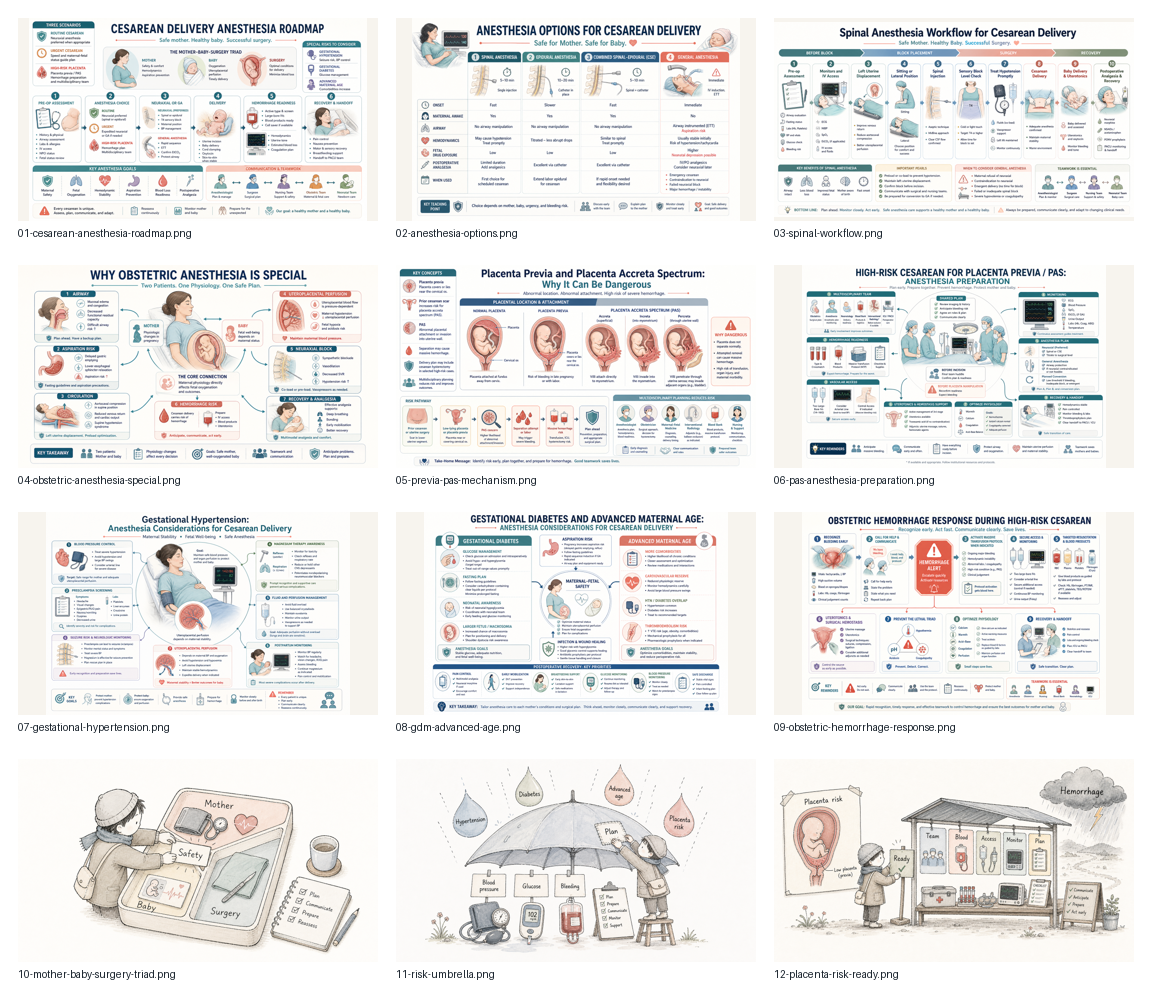
A module on cesarean anesthesia options, spinal workflow, high-risk placenta previa / PAS, hemorrhage preparation, gestational hypertension, gestational diabetes, and advanced maternal age.
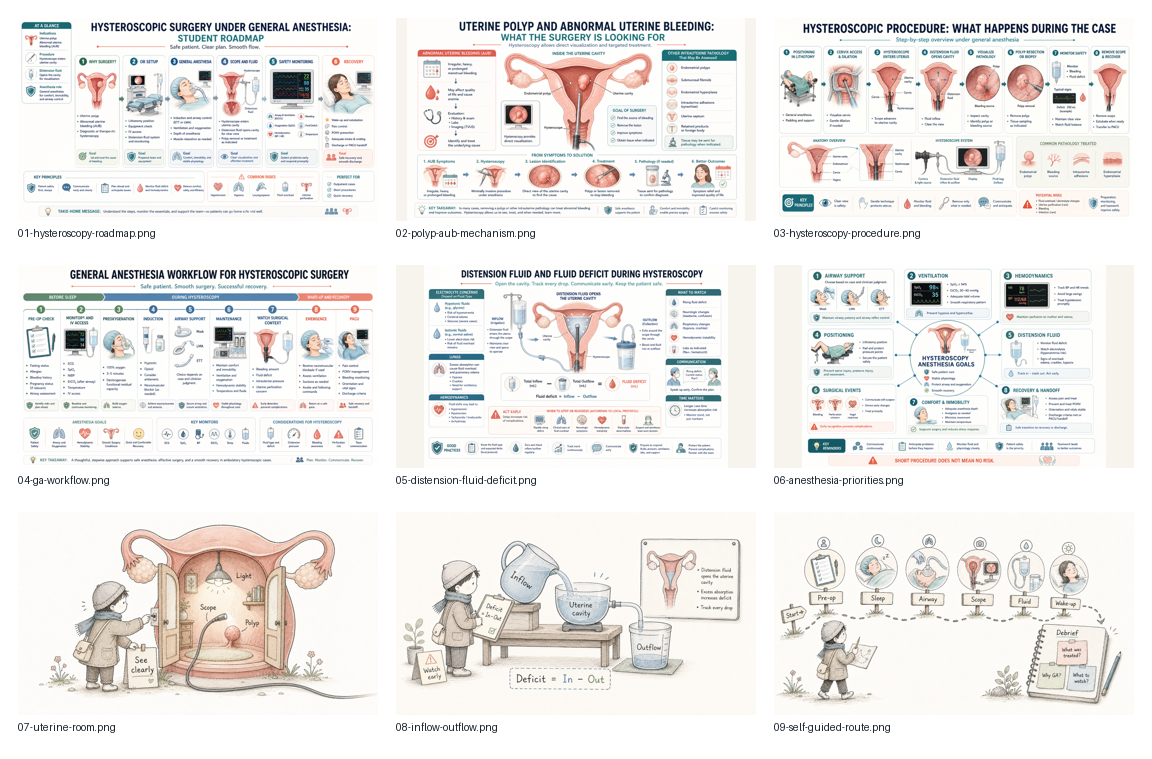
A self-guided module for uterine polyp or abnormal uterine bleeding hysteroscopy, focused on general anesthesia, airway planning, distension fluid safety, fluid deficit, and ambulatory recovery.
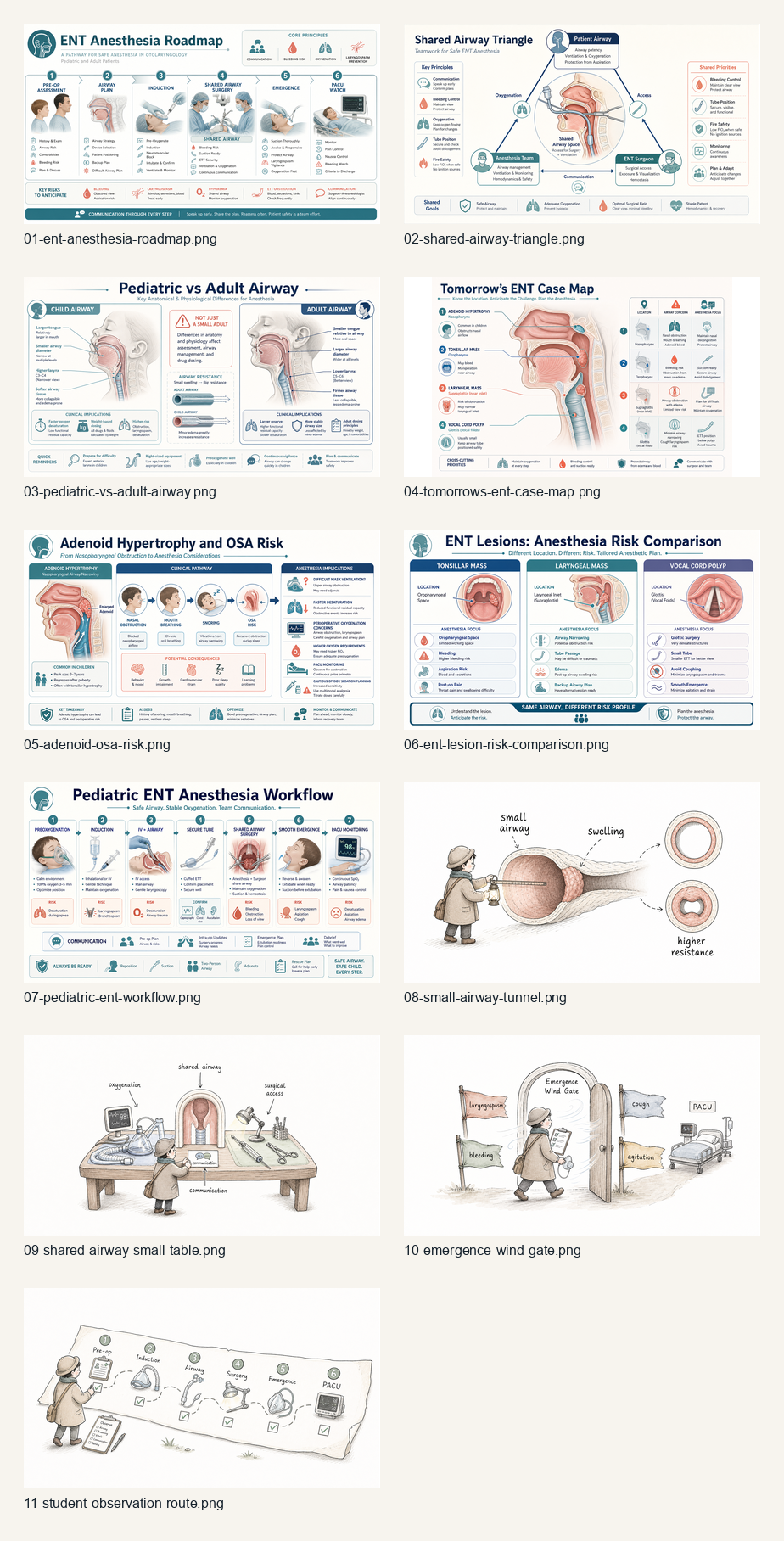
A self-guided module on ENT anesthesia for 7- and 9-year-old patients, focused on shared airway teamwork, pediatric airway differences, adenoid hypertrophy, tonsillar and laryngeal lesions, vocal cord polyp, and smooth emergence.
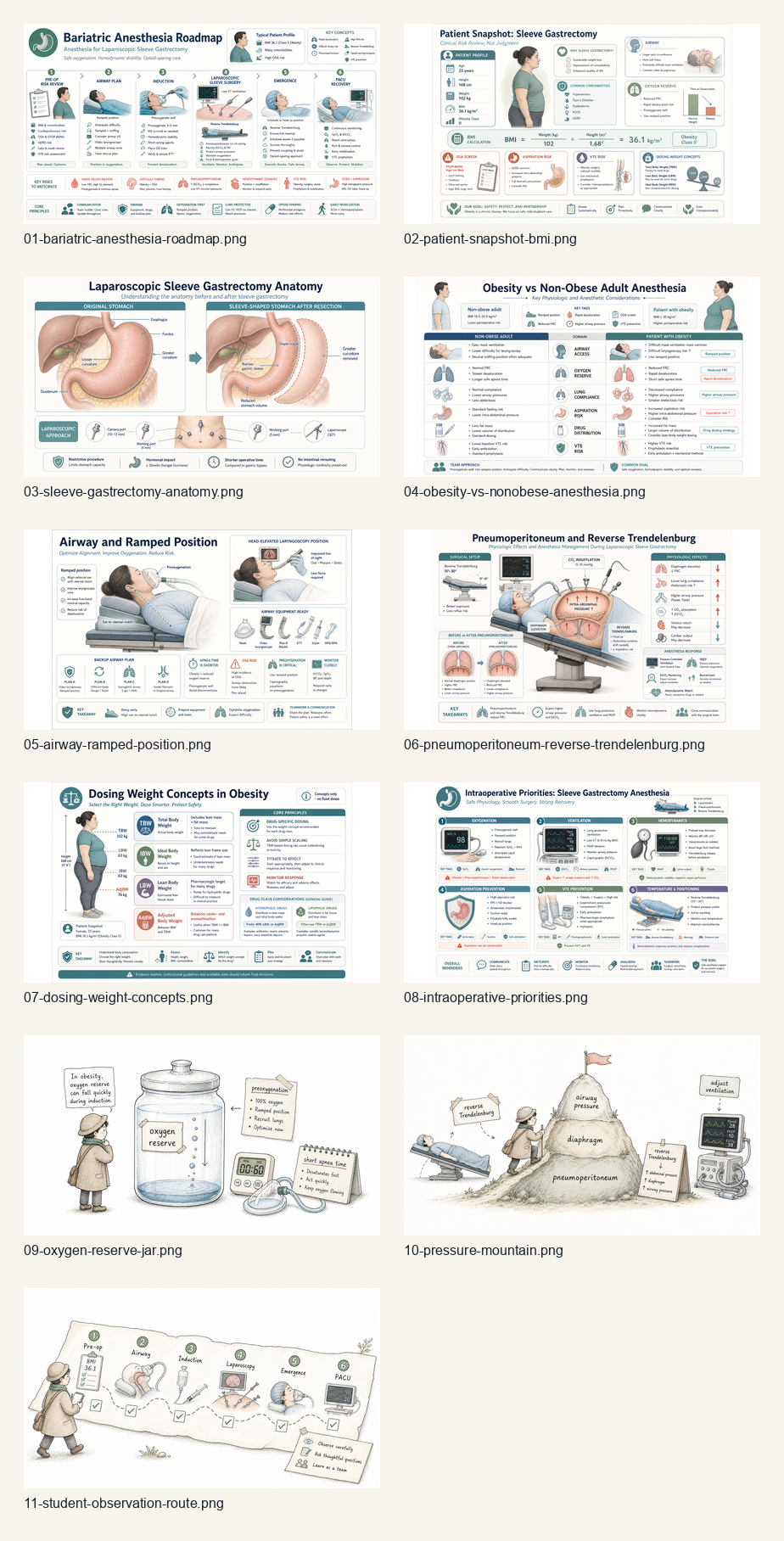
A self-guided module for laparoscopic sleeve gastrectomy anesthesia in a 23-year-old female patient with BMI 36.1, focused on obesity physiology, ramped airway positioning, pneumoperitoneum, dosing-weight concepts, VTE prevention, and PACU recovery.
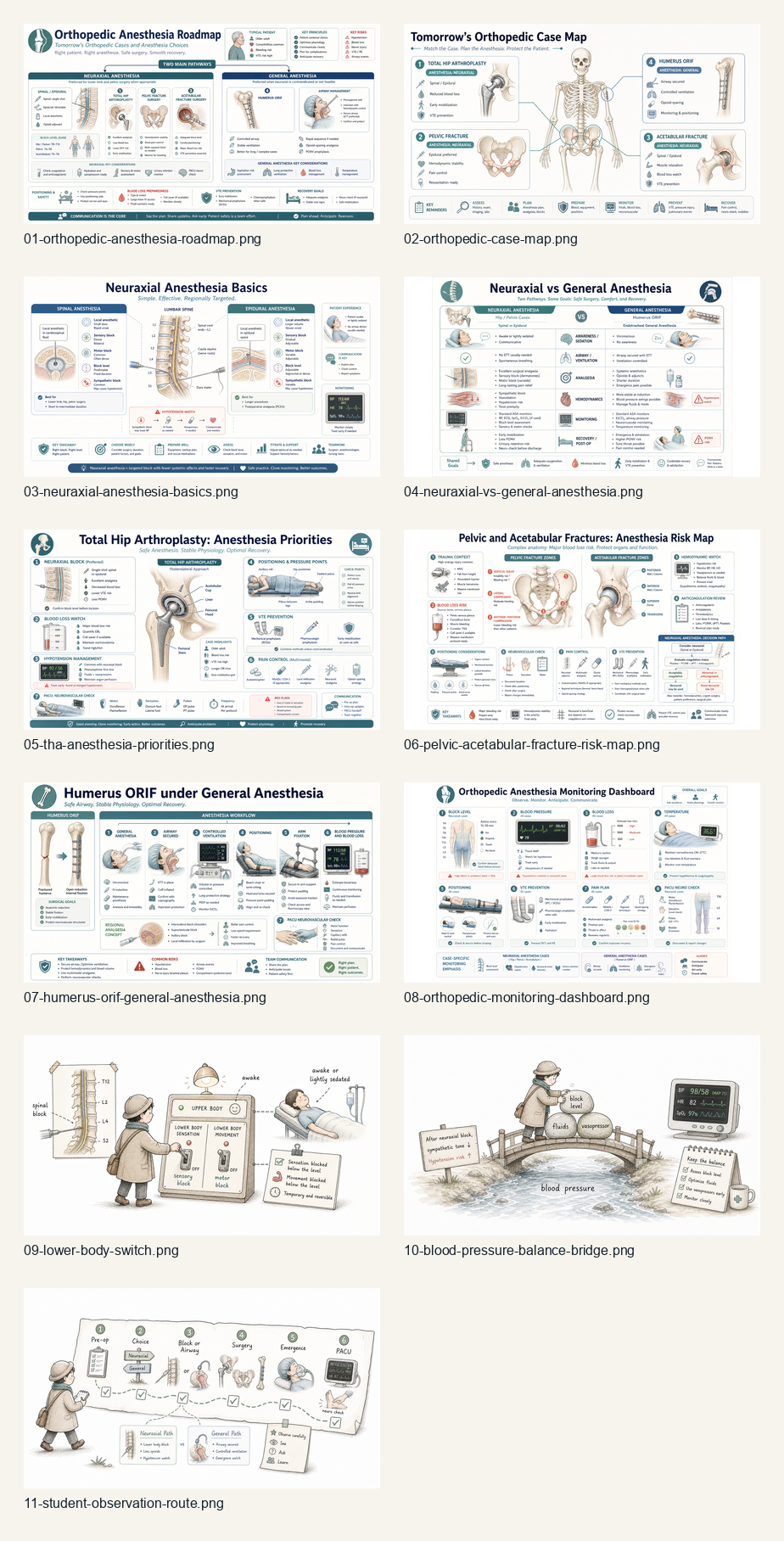
A self-guided module for total hip arthroplasty, pelvic and acetabular fracture surgery under neuraxial anesthesia, plus humerus ORIF under general anesthesia, focused on anesthesia choice, block level, hypotension, blood loss, positioning, VTE prevention, and PACU neurovascular checks.
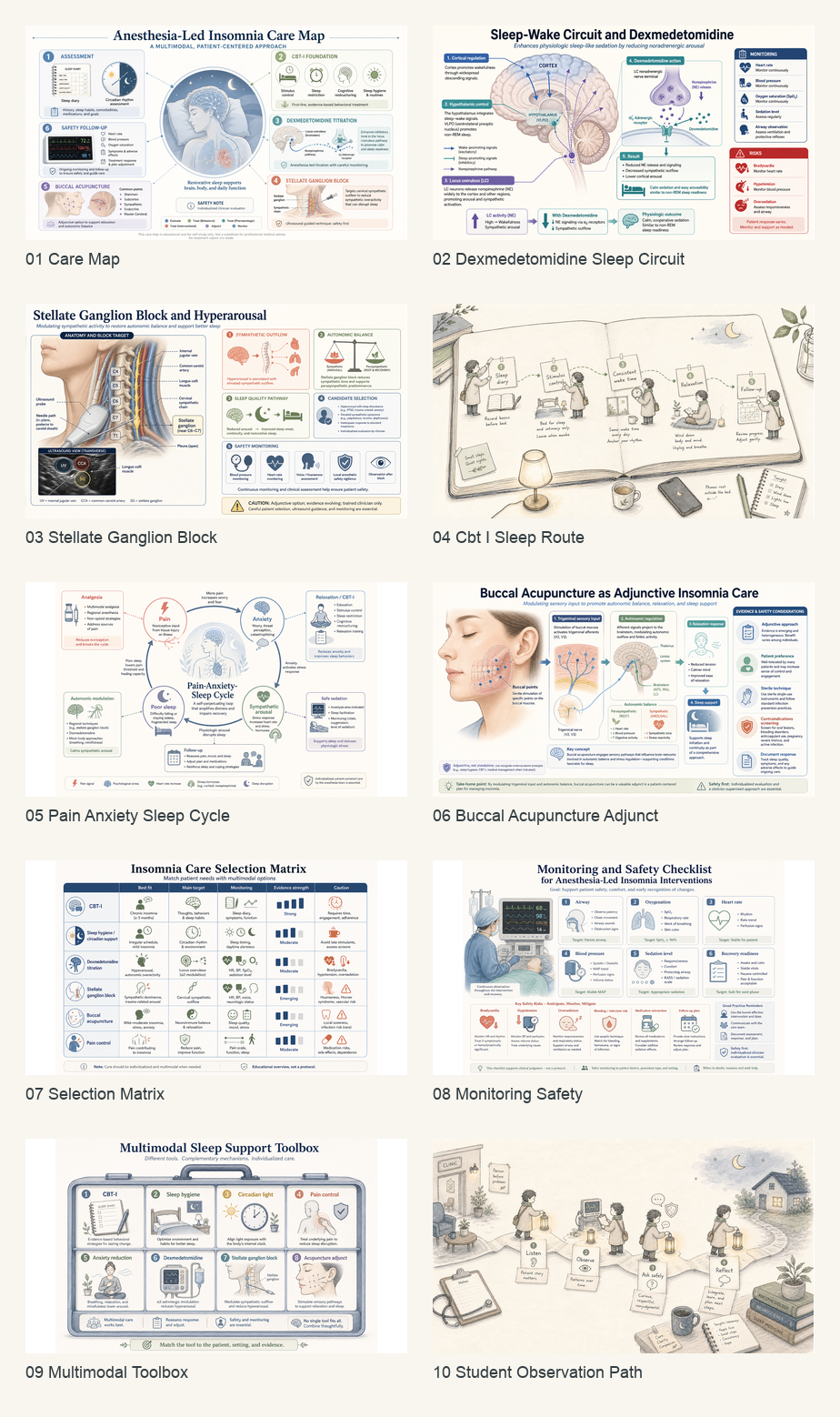
A self-guided module on insomnia care from an anesthesiology perspective, introducing CBT-I, dexmedetomidine titration, stellate ganglion block, buccal acupuncture, multimodal sleep support, evidence boundaries, and safety monitoring.
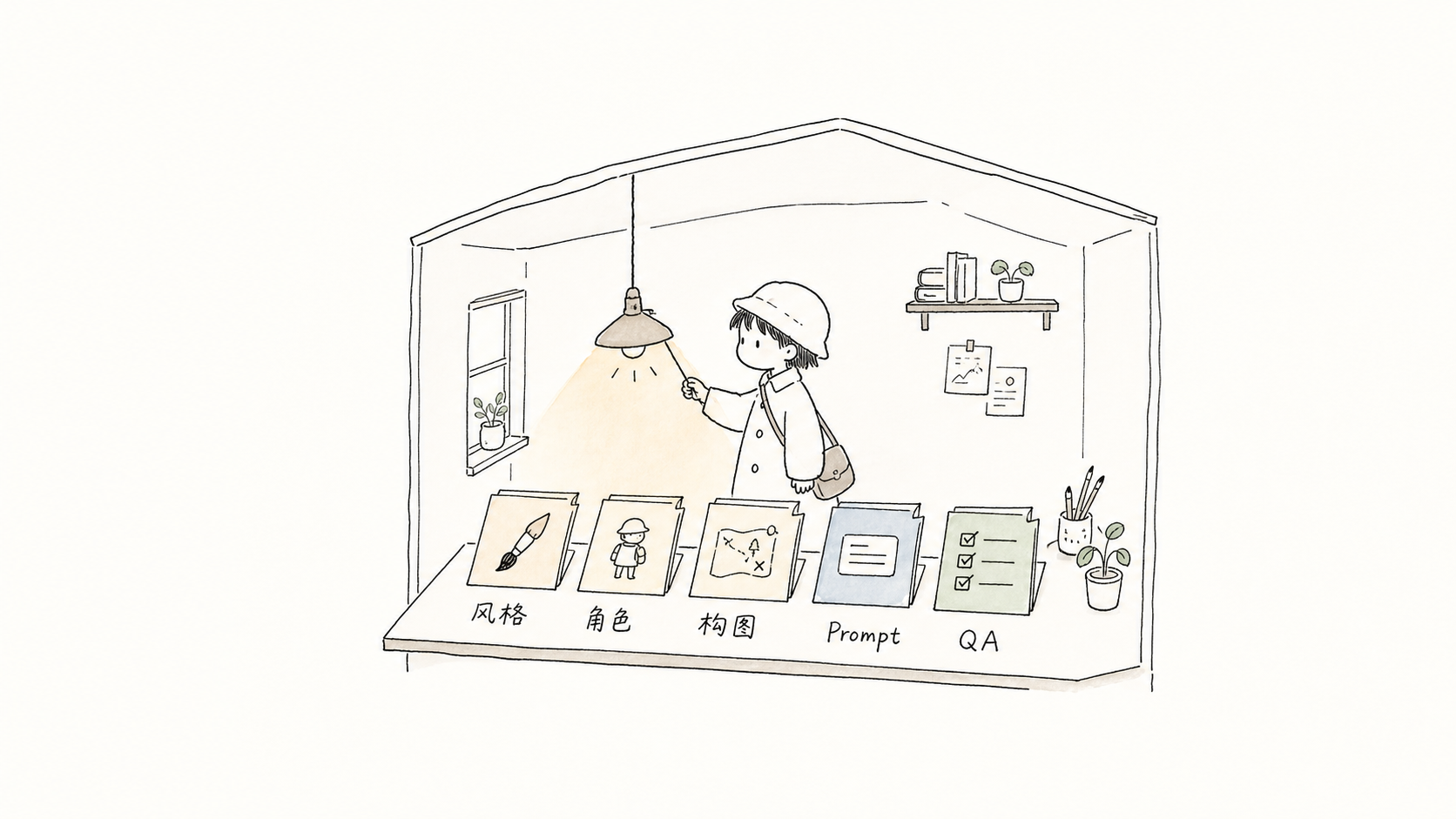
A bilingual teaching module for students that explains how to use a Codex illustration skill, how the GitHub project is structured, and how to fork it into a reusable visual system of your own.
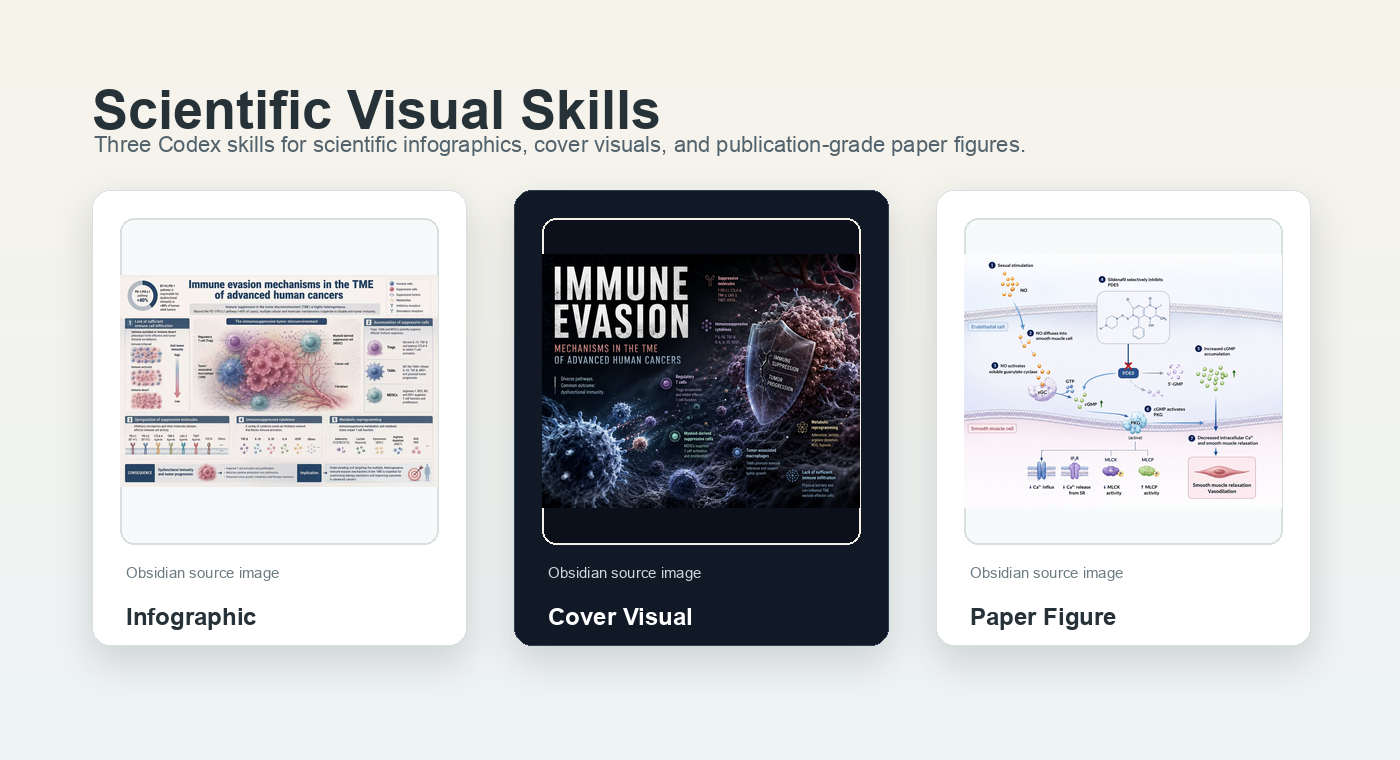
A bilingual teaching module that explains how to use a three-skill scientific visual pack for infographics, cover visuals, and paper mechanism figures, then adapt the GitHub project into your own visual workflow.
The workflow is intentionally practical: clinical context first, AI as a production assistant, and human review before teaching use.
Each module begins with an actual case or observation day, then turns it into a learner-friendly roadmap.
Medical infographics explain anatomy, workflow, monitoring, and risk. Hand-drawn illustrations help beginners remember the idea.
Standalone HTML pages embed the images, so learners can open them from a link without installing software.
This project supports a short, beginner-friendly learning experience for Cornell students visiting China. It is not a clinical protocol library.